Ophthalmology Blog

Pterygium Removal Recovery Guide: Post-Operative Care Instructions
Pterygium removal is a surgical procedure that removes abnormal tissue growing onto the cornea, often followed by a conjunctival autograft or amniotic membrane graft to support healing and reduce recurrence. This recovery guide explains what to expect after surgery, how to use prescribed ointments and drops, why UV protection is essential, how dry eye management supports healing, and when to contact our office during recovery.

My Prokera® Slim Treatment: Ocular Surface Treatment
Prokera® Slim is an FDA-cleared biological medical device that uses amniotic membrane to support healing of the ocular surface. This treatment may help reduce inflammation, suppress scarring, and restore damaged eye tissue in conditions such as keratitis, chemical burns, corneal scars, epithelial defects, and severe dry eye. Prokera is placed in the office, worn continuously for several days, and removed by Dr. Benjamin at a follow-up visit.

My Valeda Treatment: Age-Related Macular Degeneration
Valeda Light Delivery System is an advanced treatment for dry age-related macular degeneration, designed to support retinal cells and help preserve visual function. The procedure uses photobiomodulation — low-level light therapy with specific wavelengths — and is performed quickly, without pain, eye drops, injections, or recovery time.

YAG Laser Capsulotomy: Clearer Vision After Cataract Surgery
If your vision becomes blurry, hazy, or foggy months or years after cataract surgery, it may be caused by posterior capsule opacification — often called a “secondary cataract.” This is a common and treatable condition, not a return of the original cataract. At Benjamin Eye Institute, Dr. Arthur Benjamin performs YAG laser capsulotomy in the office to quickly and painlessly clear the cloudy capsule behind the lens implant, with no incisions or stitches and clearer vision often restored the same day.

Blepharoplasty Recovery Guide: Eyelid Surgery Aftercare
Blepharoplasty is a surgical procedure that rejuvenates the upper and/or lower eyelids by removing excess skin, fat, and muscle. This recovery guide explains what to expect after eyelid surgery, including swelling, bruising, cold compresses, suture removal, activity restrictions, and important instructions to support safe healing and the best possible aesthetic result.

My SLT Treatment: Laser Treatment for Glaucoma
Selective Laser Trabeculoplasty (SLT) is an in-office laser treatment designed to lower intraocular pressure in patients with glaucoma or ocular hypertension. This guide explains how SLT works, what to expect during the procedure, how Dr. Benjamin’s 180° treatment strategy is used, and why SLT may reduce or delay the need for daily glaucoma eye drops.

Eyesight Keeping You From Olympic Dreams?
The story of one unlighted Olympic star was worth the price of the Lasik operation. Don't put off life until tomorrow, Schedule your consultation with Benjamin Eye Institute today. Make your first step to life without restrictions!
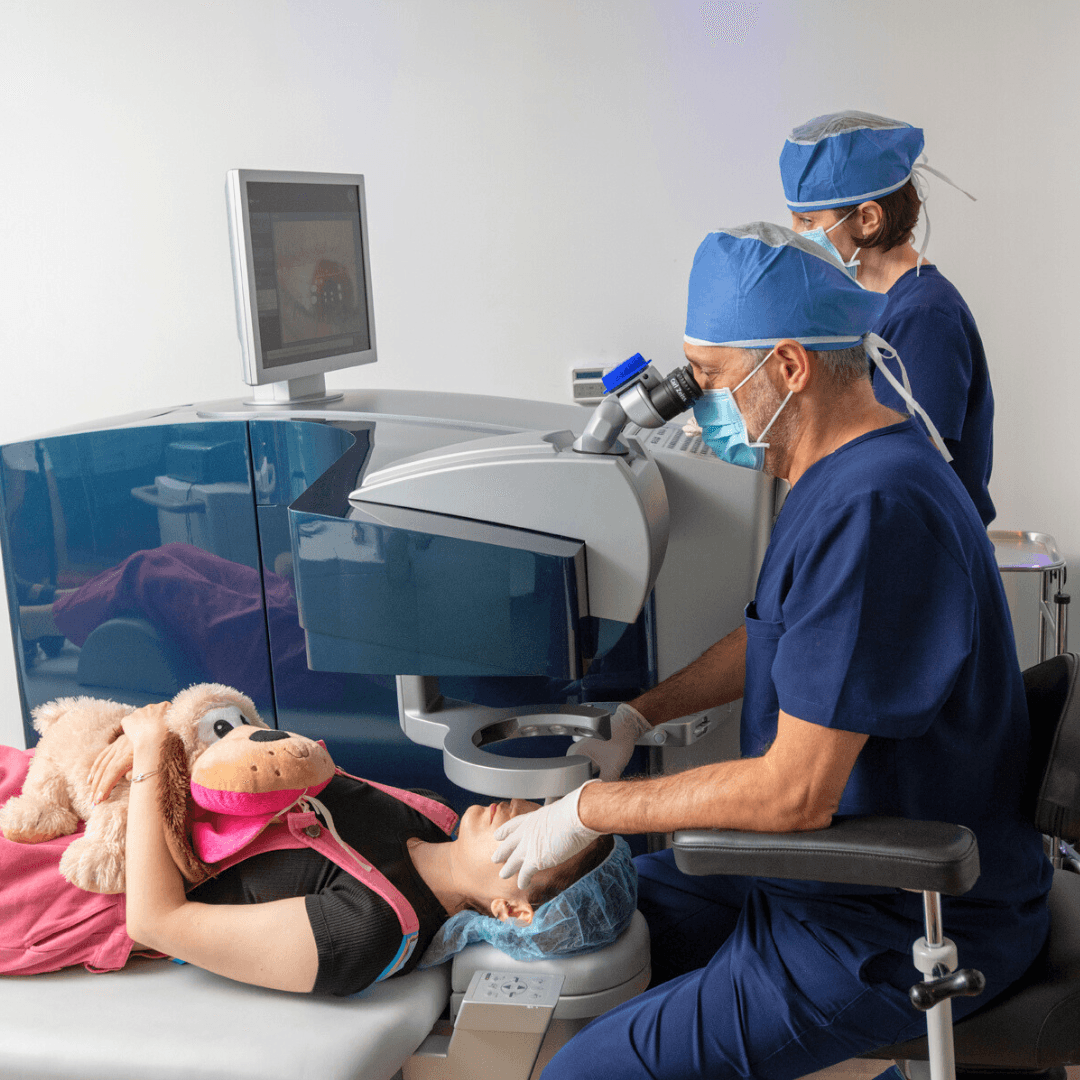
Understanding LASIK: Transform Your Vision with Confidence at Benjamin Eye Institute
Are you considering LASIK but want to know more before taking the leap? At Benjamin Eye Institute, we combine over 30 years of expertise with state-of-the-art technology to help our patients achieve clearer vision and greater freedom from glasses and contact lenses.

The Difference Between PRK and LASIK
The main difference between PRK and LASIK is in the procedure process. When performing PRK, there is no need to create a flap of the cornea, so this surgical technique may be a good option for those that have thin corneas and might not be a good candidate for LASIK. Also, PRK has a longer recovery process.
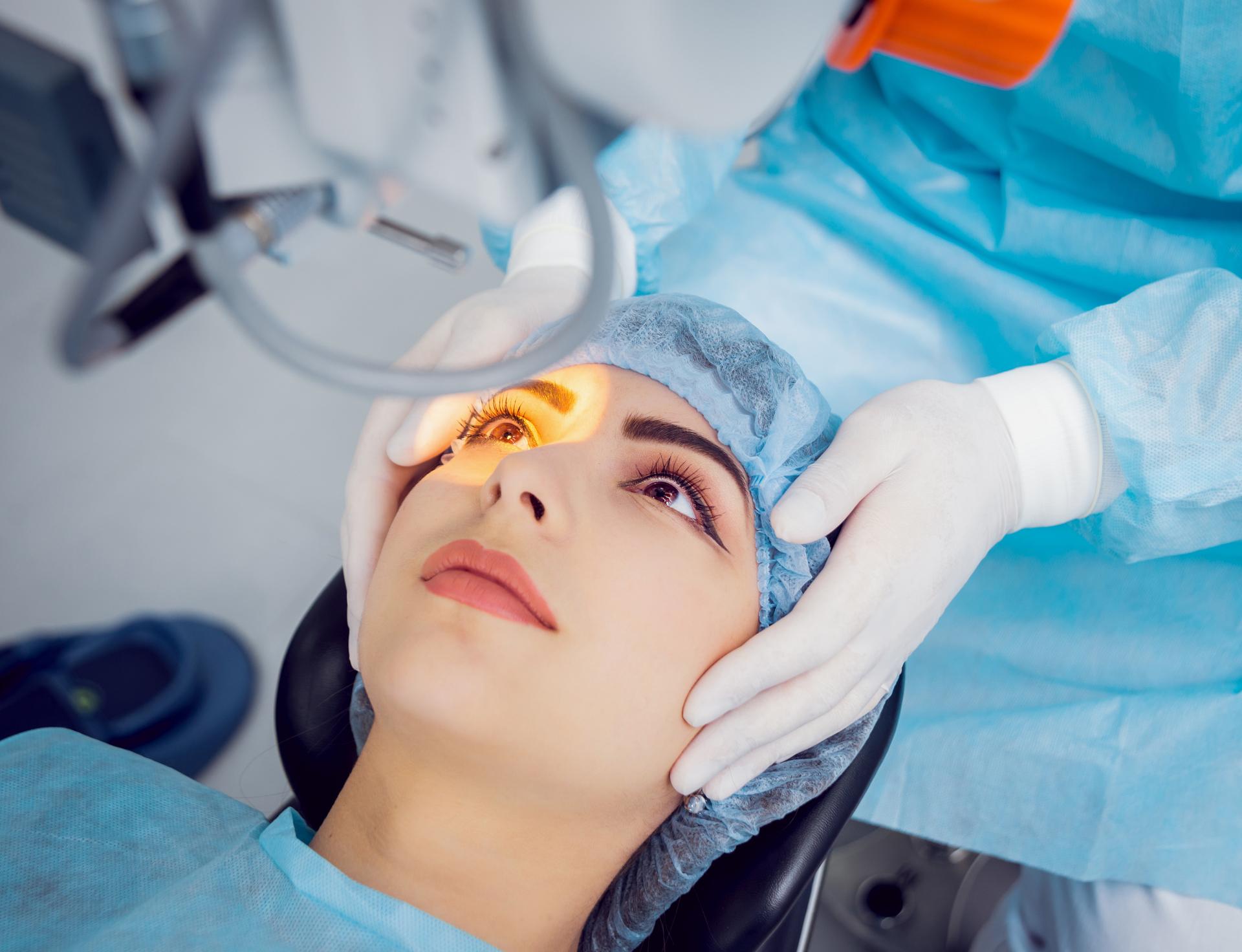
Discover the Life-Changing Power of LASIK at Benjamin Eye Institute!
Imagine the freedom of crisp, clear vision without the burden of glasses or contacts. LASIK has the potential to transform your life, and at Benjamin Eye Institute, we have witnessed its remarkable impact on countless patients. Join us on a journey of discovery as we unveil the inspiring stories of individuals whose lives were changed by LASIK.