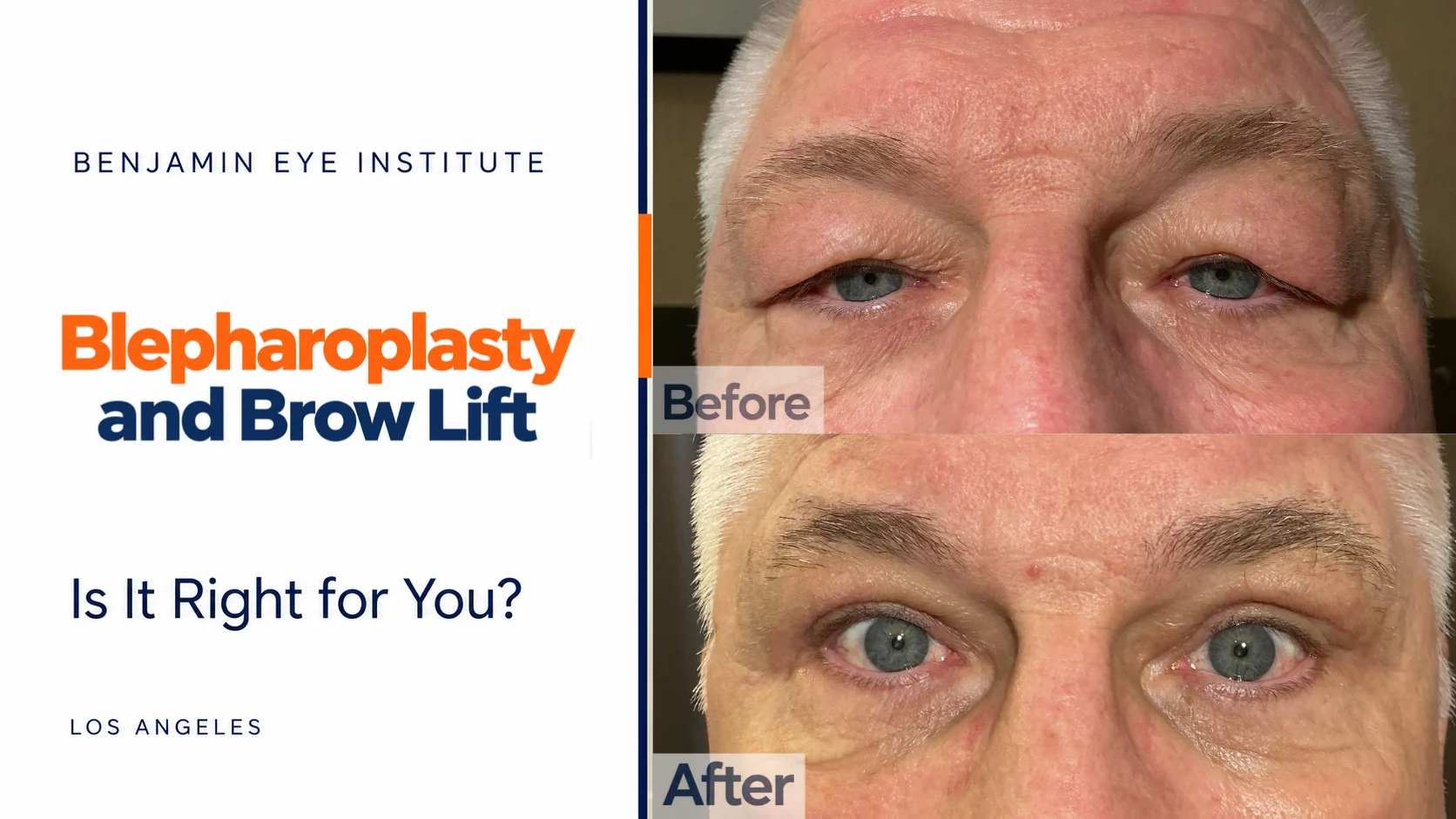
Blepharoplasty and Brow Lift in West Hollywood | Benjamin Eye Institute
October 20, 2026
Heavy Eyelids? Why Blepharoplasty and Brow Position Must Be Planned Together
Pterygium surgery in Los Angeles removes a non-cancerous growth on the eye that can affect vision and comfort. Advanced techniques, including conjunctival autograft and amniotic membrane grafts, help reduce recurrence and promote faster healing. This guide explains symptoms, causes, treatment options, recovery, and how to choose the right eye surgeon in Los Angeles.
A small pink growth on the white part of your eye may seem harmless at first. But over time, it can slowly spread, distort vision, and become a constant source of irritation.
This condition is called pterygium — and in sunny environments like Los Angeles, it’s more common than most people realize.
At Benjamin Eye Institute, we treat pterygium using advanced surgical techniques designed not just to remove the growth — but to minimize recurrence and restore the natural appearance of your eye.
[Rendia video: LhHD3]
A pterygium (pronounced tur-IJ-ee-um) is a non-cancerous growth of tissue that develops on the conjunctiva and can extend onto the cornea.
It is most commonly caused by:
Over time, it may:
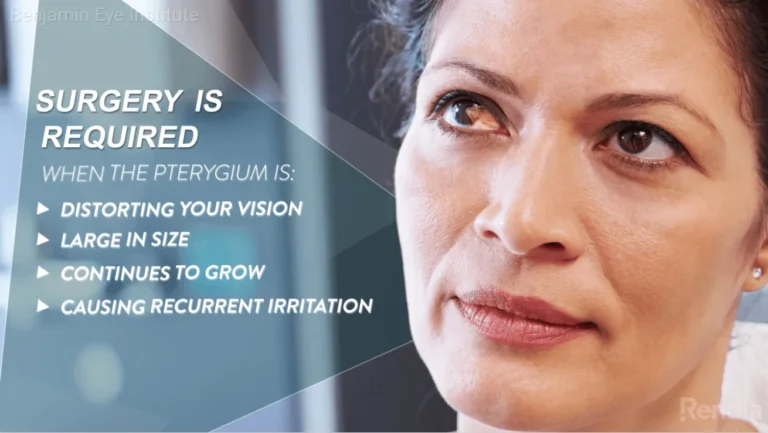
Not every pterygium requires surgery. However, treatment becomes necessary when:
Surgery is the only definitive way to remove the growth once it becomes advanced.
At Benjamin Eye Institute, pterygium surgery is performed as a precise, outpatient procedure, typically taking about 15–20 minutes.
Step-by-step approach:
The key difference — and where outcomes are determined — lies in the type of graft used.
Modern pterygium surgery is not just about removal — it’s about preventing recurrence.
🔬 Conjunctival Autograft (CAG)
🌿 Amniotic Membrane Graft (AMG)
Studies show that amniotic membrane grafts can reduce inflammation and improve healing, while conjunctival grafts provide excellent structural outcomes.
Most practices still use older techniques associated with higher recurrence rates.
At Benjamin Eye Institute, we focus on:
✔️ Advanced grafting techniques (CAG + AMG options)
✔️ Fibrin glue instead of excessive suturing (more comfort + faster recovery)
✔️ Microsurgical precision from a surgeon with 30+ years experience
✔️ In-office surgical suite for efficiency and comfort
This combination significantly reduces recurrence and improves cosmetic results.
Most patients experience smooth recovery.
Typical timeline:
You’ll use prescribed eye drops to:
Even with advanced surgery, lifestyle plays a role in long-term outcomes.
We recommend:
In certain cases, adjunct treatments (like Mitomycin C) may be used to further reduce recurrence risk, though they are reserved for specific situations.
Pterygium surgery is not just about removing tissue — it’s about restoring clarity, comfort, and confidence.
Patients choose Dr. Arthur Benjamin because:
If you’ve noticed growth, persistent redness, or irritation in your eye — don’t wait until it affects your vision.
Schedule your consultation today and find out if pterygium surgery is right for you.
Call or text: 310.275.5533. 📍9201 W Sunset Blvd, Suite 709, West Hollywood, CA
Heavy Eyelids? Why Blepharoplasty and Brow Position Must Be Planned Together
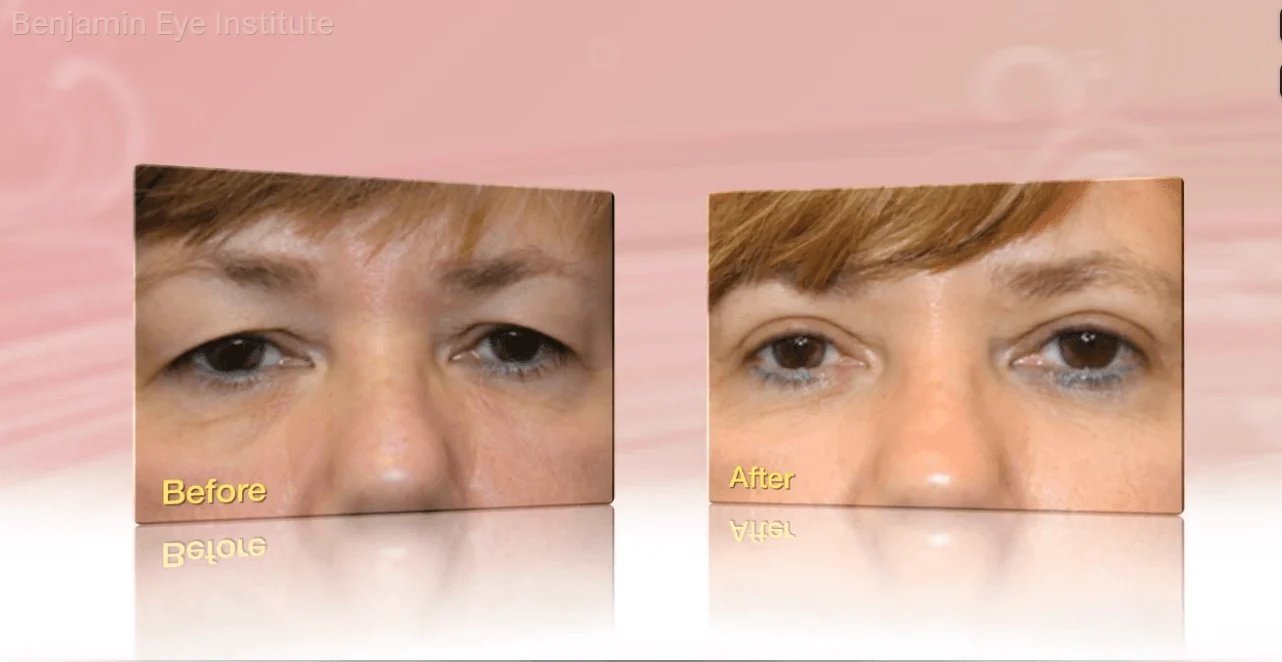
At Benjamin Eye Institute, we believe that healthy vision and confidence in your appearance go hand in hand. Blepharoplasty, commonly known as eyelid surgery, is a procedure that removes excess skin and fat from the upper and/or lower eyelids to improve both appearance and, in some cases, vision.
Proper aftercare is crucial for achieving the best results from your facial aesthetic treatments at Benjamin Eye Institute. This guide provides detailed post-procedure instructions for Tixel, Morpheus8, and IPL therapies, highlighting key steps such as avoiding direct sun exposure, using specialized serums, and adhering to gentle skincare routines to ensure optimal healing and maximize the effectiveness of your treatments.

Optimize Your Results & Ensure a Smooth Recovery
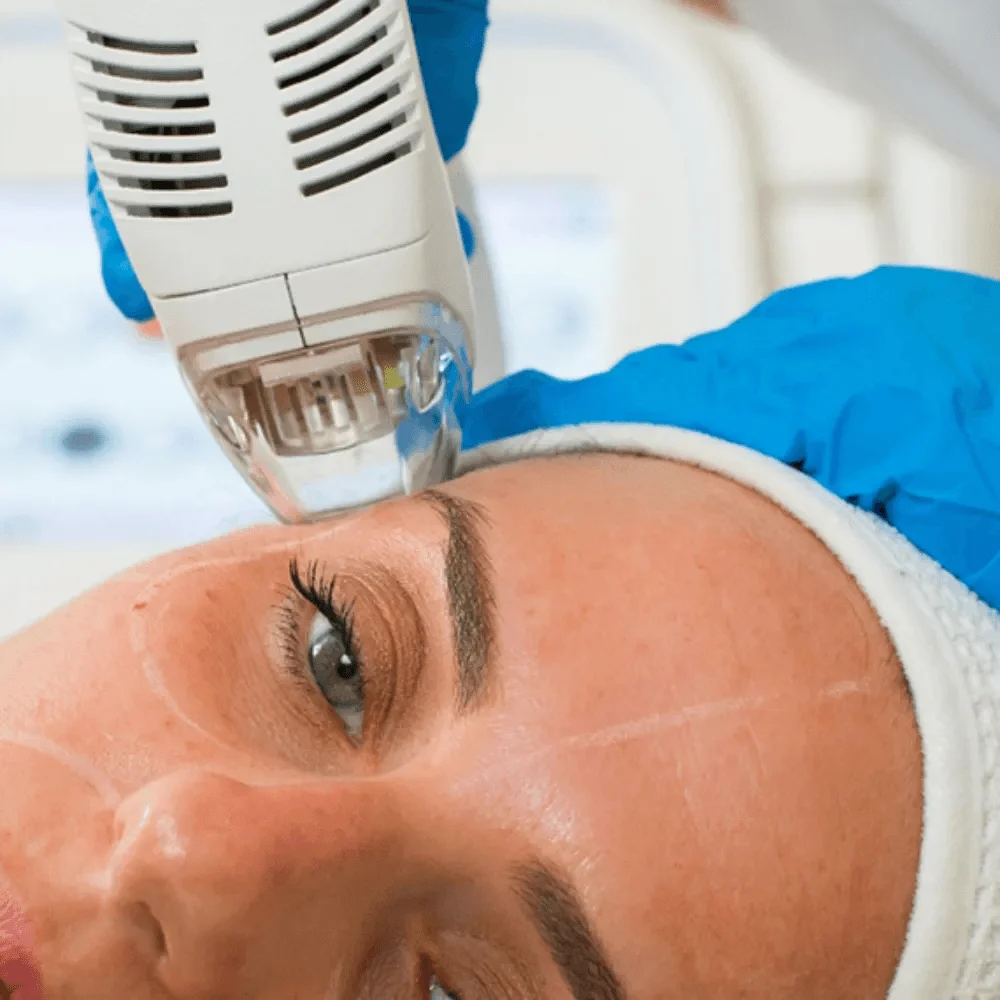
If you're considering innovative, non-surgical skin rejuvenation treatments, you've probably heard about the Novoxel Tixel. But how exactly does it work, and why is it so effective? Here’s everything you need to know about this revolutionary treatment.
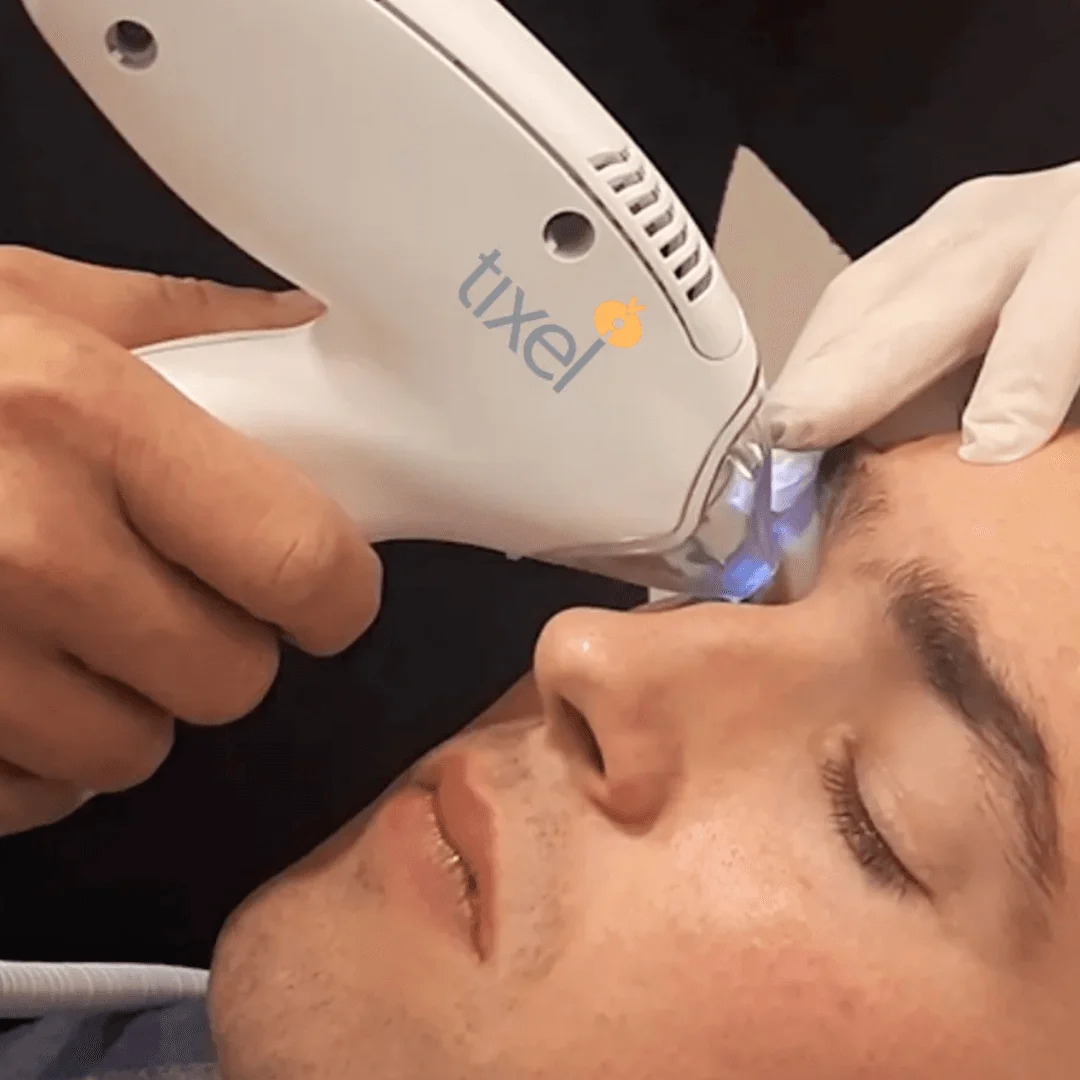
Dry eye syndrome is a chronic and often frustrating condition affecting millions of people. At Benjamin Eye Institute, we are committed to providing the most advanced and effective treatments to relieve discomfort and improve ocular health. Tixel is the latest innovation in dry eye therapy, offering a gentle yet powerful solution for meibomian gland dysfunction (MGD), blepharitis, and ocular surface inflammation.
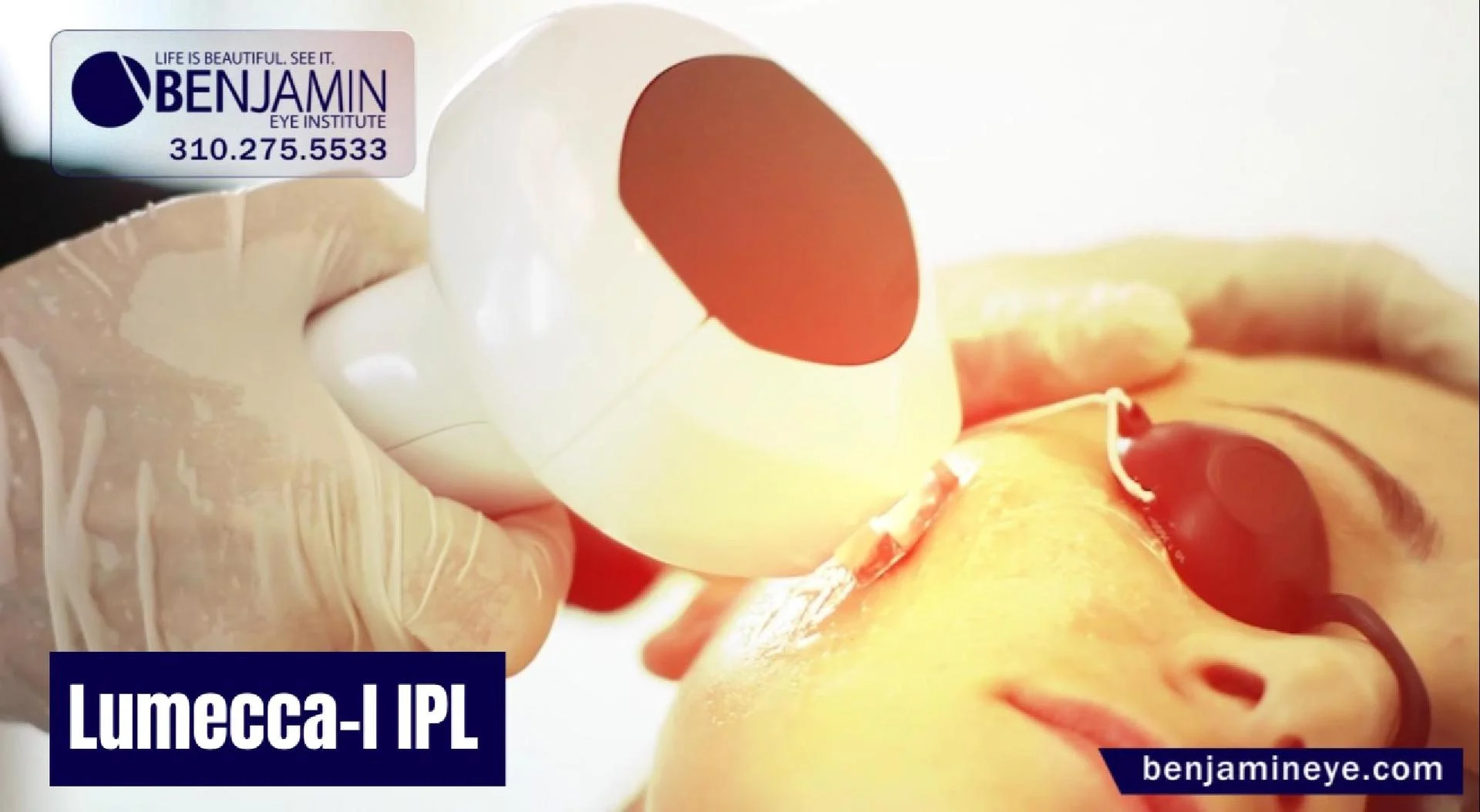
Are you seeking a solution for sun-damaged skin, acne scars, or rosacea? Look no further than Lumecca-I IPL, the advanced intense pulsed light treatment available at Benjamin Eye Institute. Lumecca-I is designed to penetrate deeper into the skin, providing remarkable results for a wide range of skin concerns.
In the quest for youthful, radiant skin, the Benjamin Eye Institute introduces Morpheus8 (M8), a groundbreaking treatment that redefines skin rejuvenation without the need for surgical intervention. Morpheus8 combines the power of radiofrequency and microneedling to remodel the skin deeply and stimulate collagen production, offering results that surpass traditional facelifts.