Benjamin Eye — Home page
310.275.5533
call or text
BenjaminEye.com - home page
310.275.5533
call or text
Home / Ophthalmology Blog / DRY EYES FAQs

DRY EYES FAQs

Published: May 16, 2023

At Benjamin Eye Institute, we wish for our patients to learn as much as possible when it comes to conditions and treatments we offer, such as cataracts and cataract surgery. Below is a list of our most frequently asked questions.
If you have a question not found on this page, or if you would like to schedule a free consultation at Benjamin Eye Institute, please call us today at 310.275.5533.

DRY EYES Frequently Asked Questions

What is Dry Eye?

Dry eye is a syndrome caused by poor lubrication and inadequate moisture on thesurface of the eye.

What Causes Dry Eye?

Many factors contribute to dry eye. These factors can include aging, excessivecomputer use, air pollution, wind, medications, and certain medical conditions or eyesurgeries.

How Common is Dry Eye Syndrome?

Dry eyes are very common. In fact, dry eye syndrome is one of the most commonreasons people visit their eye doctor. Nearly half of all adults regularly experience dryeye syndrome.

What are the Symptoms of Dry Eye Syndrome?

Symptoms of dry eye syndrome include a burning sensation of the eyes and feelings ofsoreness, itchiness, dryness, aching, and fatigue of the eyes. Other symptoms includered eyes, sensitivity to light, and blurred vision. Some people feel like they have sand orgrit in their eyes.

What are the Causes of Dry Eye Syndrome?

Dry eyes are usually the result poor quality or quantity of tears, which is a liquid thatkeeps the eye lubricated. Tears bathe the eyes in fluid and nutrients, and rinse awaydirt, debris, and microorganisms that could cause eye infections.

How do Eye Doctors Diagnose Dry Eye Syndrome?

Eye care professionals can diagnose dry eye syndrome by measuring the volume oftears produced by your eyes. An eye doctor may place special blotting strips of paper under your lower eyelid; these paper strips soak up tears so that your eye doctor canmeasure how much tears your eyes produce.

What are the treatments for dry eyes?

Treatments for dry eyes may include punctual plugs that prevent tears from drainingaway from the eye, lubricants, topical steroids, and warm compresses.

Can I Wear Contacts if I Have Dry Eye Syndrome?

Wearing contact lenses can contribute to dry eye syndrome. In fact, dry eyes are one ofthe main reasons many people stop wearing their contact lenses. Fortunately, severaldifferent types of contact lenses allow you to wear these lenses even if you have dryeyes. Ask your eye care professional if soft contact lenses for dry eyes or scleralcontact lenses that fit over the entire corneal surface of your eye are right for you.

What Do I Do if I Think I have Dry Eyes?

If you think you have dry eyes, make an appointment with the eye care professionals atBenjamin Eye Institute in LA. Make an appointment at our Beverly Hills Location at 9201West Sunset Boulevard Suite 709 West Hollywood, CA 900

Back

Related Articles

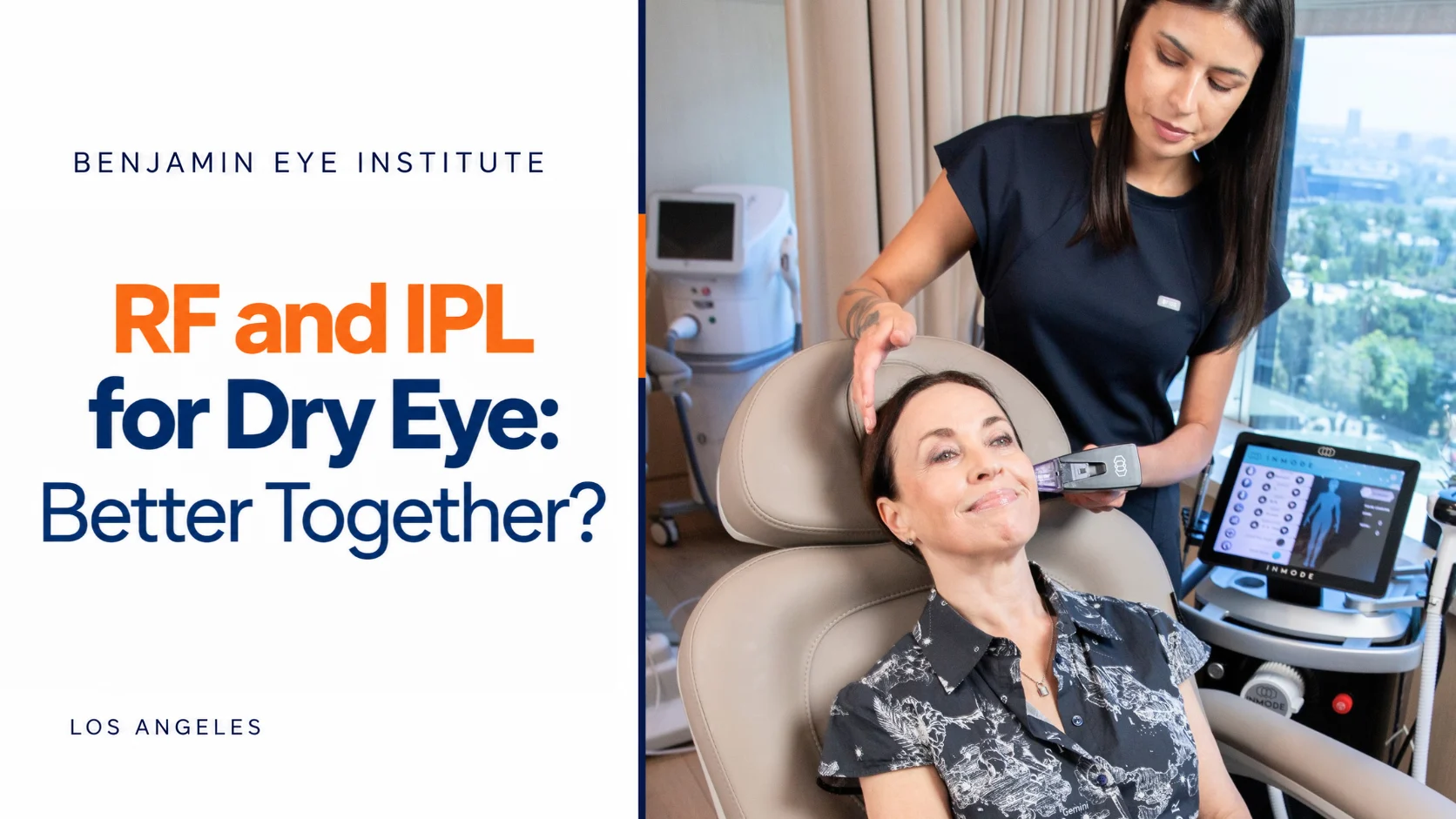
RF and IPL for Dry Eye: Better Together?

RF and IPL for Dry Eye: Better Together?

October 20, 2026

Could combining two treatments bring greater dry eye relief? RF and IPL address different contributors to meibomian gland dysfunction, from thickened oils to inflammation. Learn what research suggests about this combined approach and how it may fit into your personalized treatment plan.

more
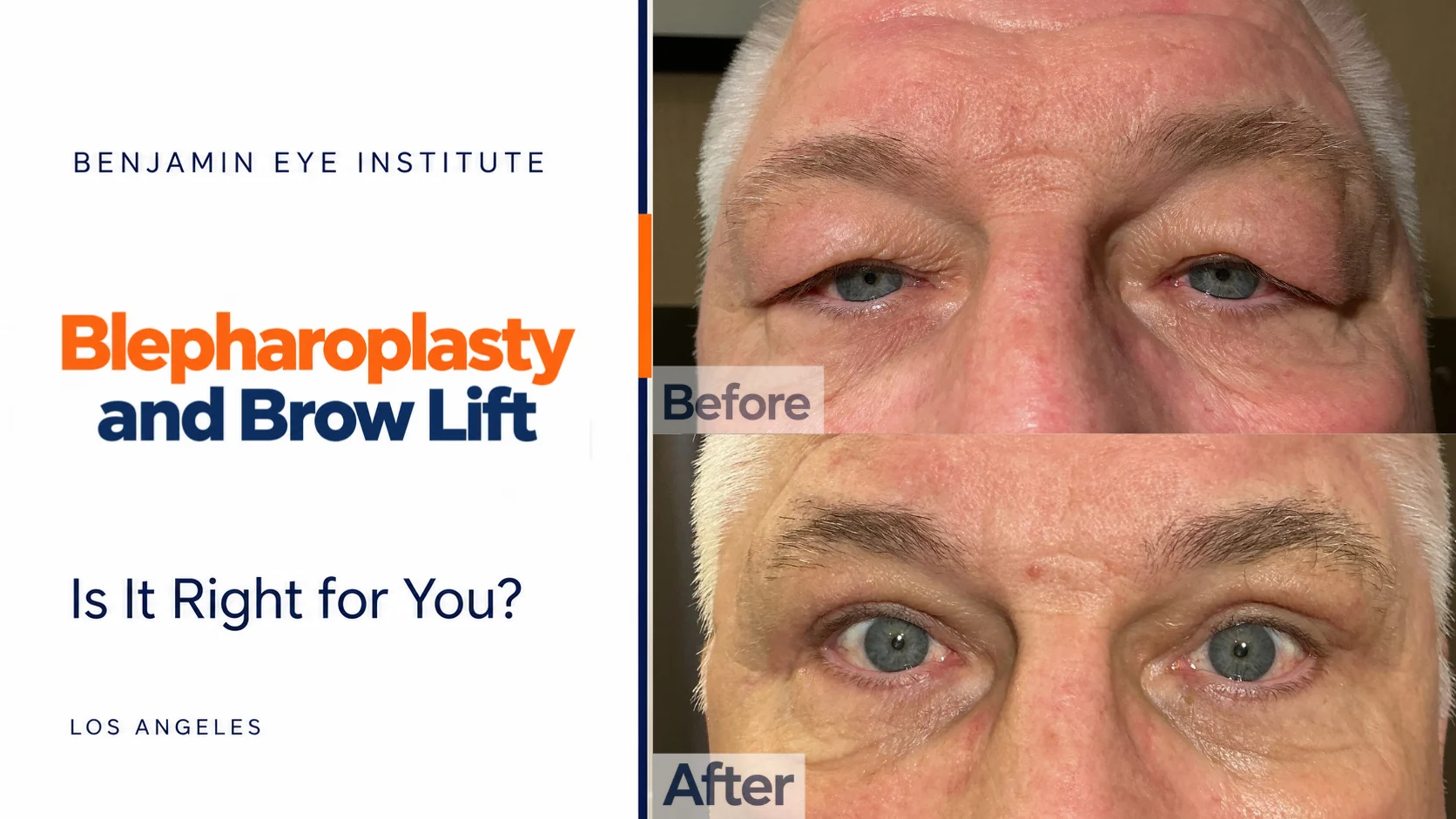
Blepharoplasty and Brow Lift in West Hollywood. Before and After

Blepharoplasty and Brow Lift in West Hollywood | Benjamin Eye Institute

October 20, 2026

Heavy Eyelids? Why Blepharoplasty and Brow Position Must Be Planned Together

more
SMILE

SMILE Laser Vision Correction in Los Angeles: Is It Right for You?

October 19, 2026

Imagine waking up and seeing clearly before you even reach for your glasses. If you’ve been considering laser vision correction, SMILE is an option worth getting to know—and it’s now available at Benjamin Eye Institute. Let’s find out if it is the right choice for your eyes, your lifestyle, and the way you want to see the world!

more
The No-Regrets Guide to LASIK

The No-Regrets Guide to LASIK

August 13, 2026

You may put your vision in the best hands by asking the proper questions of a potential LASIK physician using this No-Regrets Guide. We've included our own responses to these inquiries to prevent you from having to conduct an interview. But if you need more explanation or have other worries, let us know! We are at your service.

more
Why Your “Redness Relief” Eye Drops Aren’t Helping (and might actually be hurting)

Why Your “Redness Relief” Eye Drops Aren’t Helping (and might actually be hurting)

August 13, 2026

If you first experience a disaster like dry eye, the fundamental rule and recommendation would be to speak with a skilled ophthalmologist before putting anything in your eyes. Since choosing a treatment requires more pathophysiological understanding than simply purchasing the first eye drops you see.

more
Pterygium Removal Recovery Guide: Post-Operative Care Instructions

Pterygium Removal Recovery Guide: Post-Operative Care Instructions

July 20, 2026

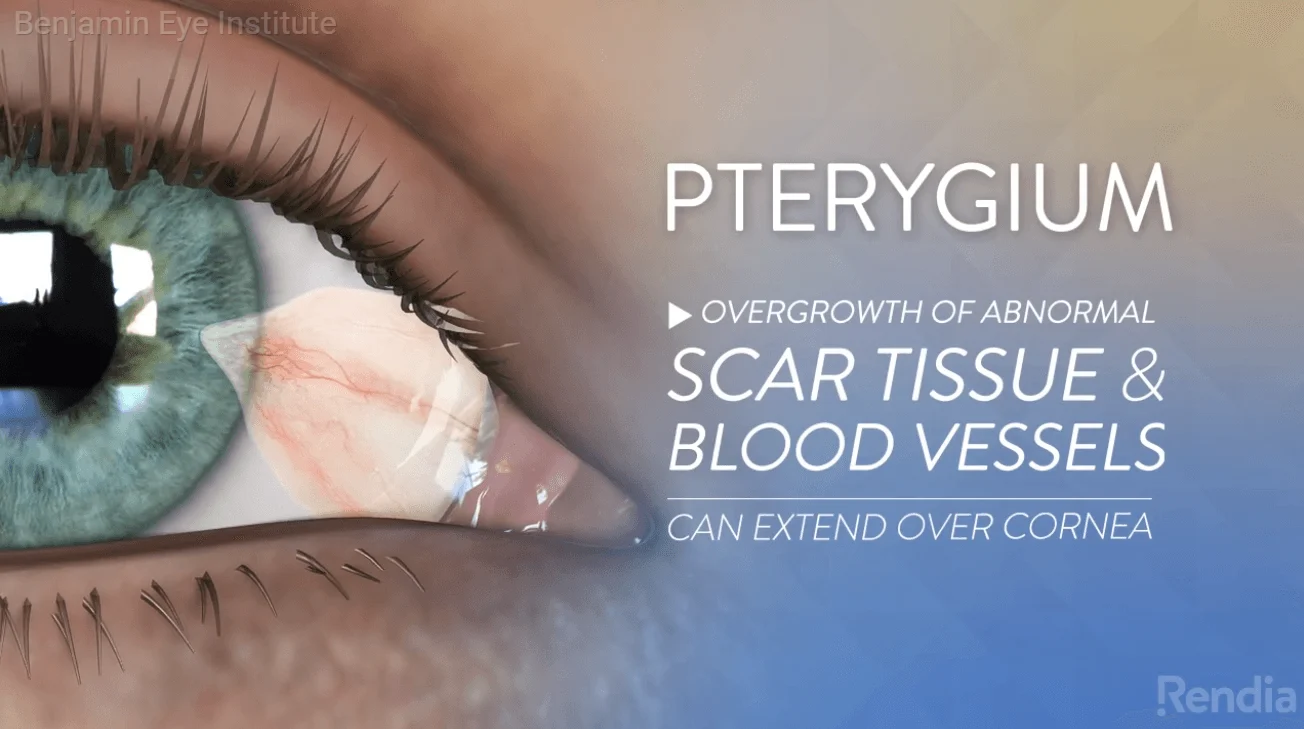
Pterygium removal is a surgical procedure that removes abnormal tissue growing onto the cornea, often followed by a conjunctival autograft or amniotic membrane graft to support healing and reduce recurrence. This recovery guide explains what to expect after surgery, how to use prescribed ointments and drops, why UV protection is essential, how dry eye management supports healing, and when to contact our office during recovery.

more
My Prokera® Slim Treatment: Ocular Surface Treatment

My Prokera® Slim Treatment: Ocular Surface Treatment

June 23, 2026

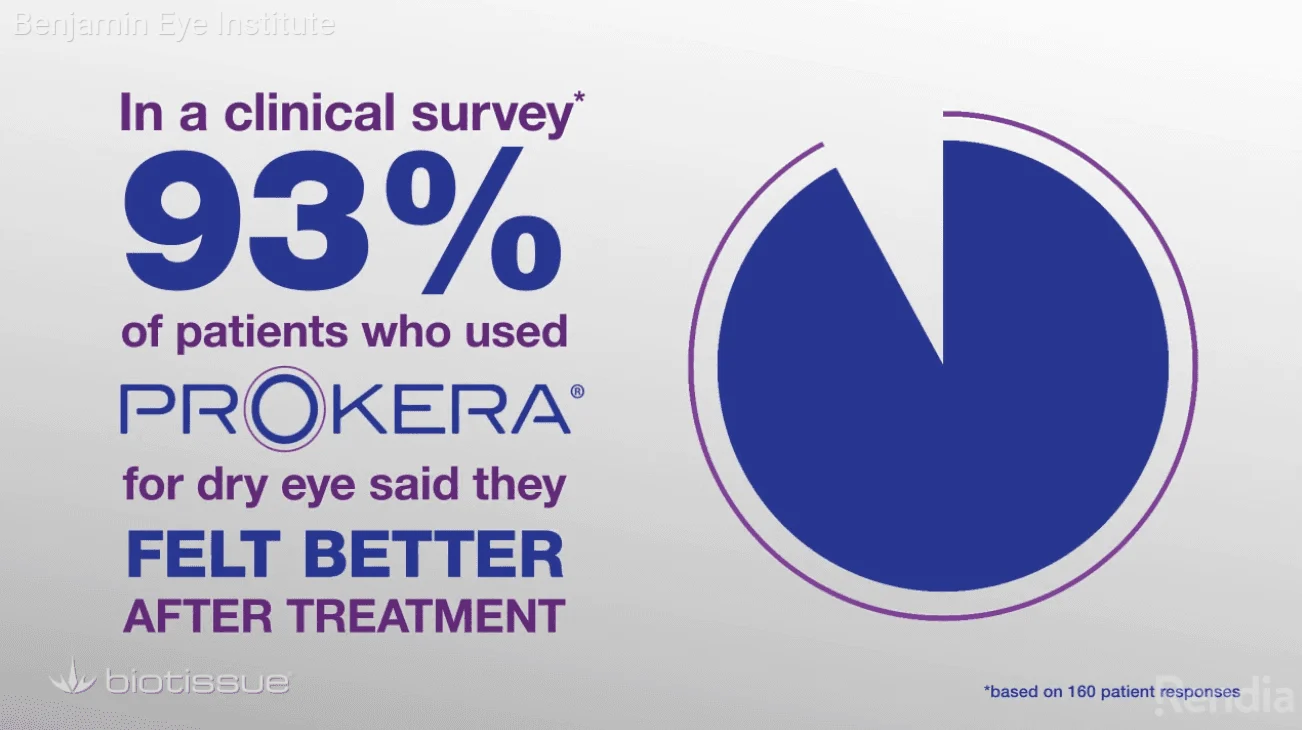
Prokera® Slim is an FDA-cleared biological medical device that uses amniotic membrane to support healing of the ocular surface. This treatment may help reduce inflammation, suppress scarring, and restore damaged eye tissue in conditions such as keratitis, chemical burns, corneal scars, epithelial defects, and severe dry eye. Prokera is placed in the office, worn continuously for several days, and removed by Dr. Benjamin at a follow-up visit.

more
My Valeda Treatment: Age-Related Macular Degeneration

My Valeda Treatment: Age-Related Macular Degeneration

June 17, 2026

Valeda Light Delivery System is an advanced treatment for dry age-related macular degeneration, designed to support retinal cells and help preserve visual function. The procedure uses photobiomodulation — low-level light therapy with specific wavelengths — and is performed quickly, without pain, eye drops, injections, or recovery time.

more

SEE WHAT OURPATIENTS HAVE TO SAY