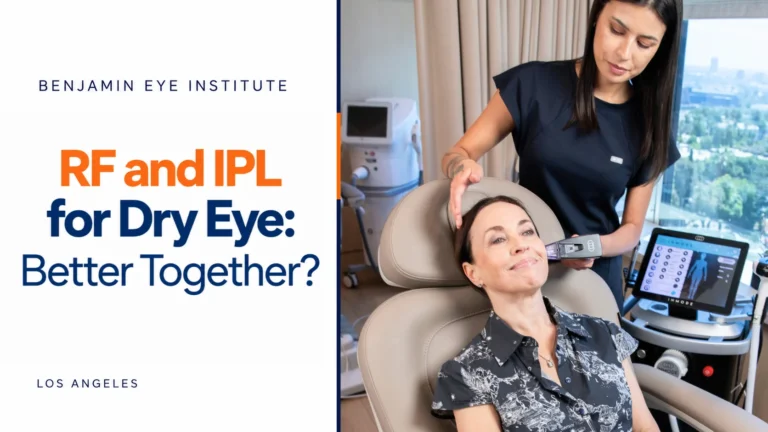
Could combining two treatments bring greater dry eye relief? RF and IPL address different contributors to meibomian gland dysfunction, from thickened oils to inflammation. Learn what research suggests about this combined approach and how it may fit into your personalized treatment plan.
Why Combination Therapy May Offer Better Results
Burning, scratchy eyes, sensitivity to light, and blurred vision can make dry eyes difficult to ignore. These symptoms may develop when the eyes produce too few tears or when tears evaporate too quickly. Understanding the cause helps your doctor choose treatment.
For people with dry eyes linked to poorly functioning eyelid oil glands, research highlighted by InMode University suggests that combining radiofrequency (RF) and intense pulsed light (IPL) may offer additional benefits.
Why the eyelid glands matter
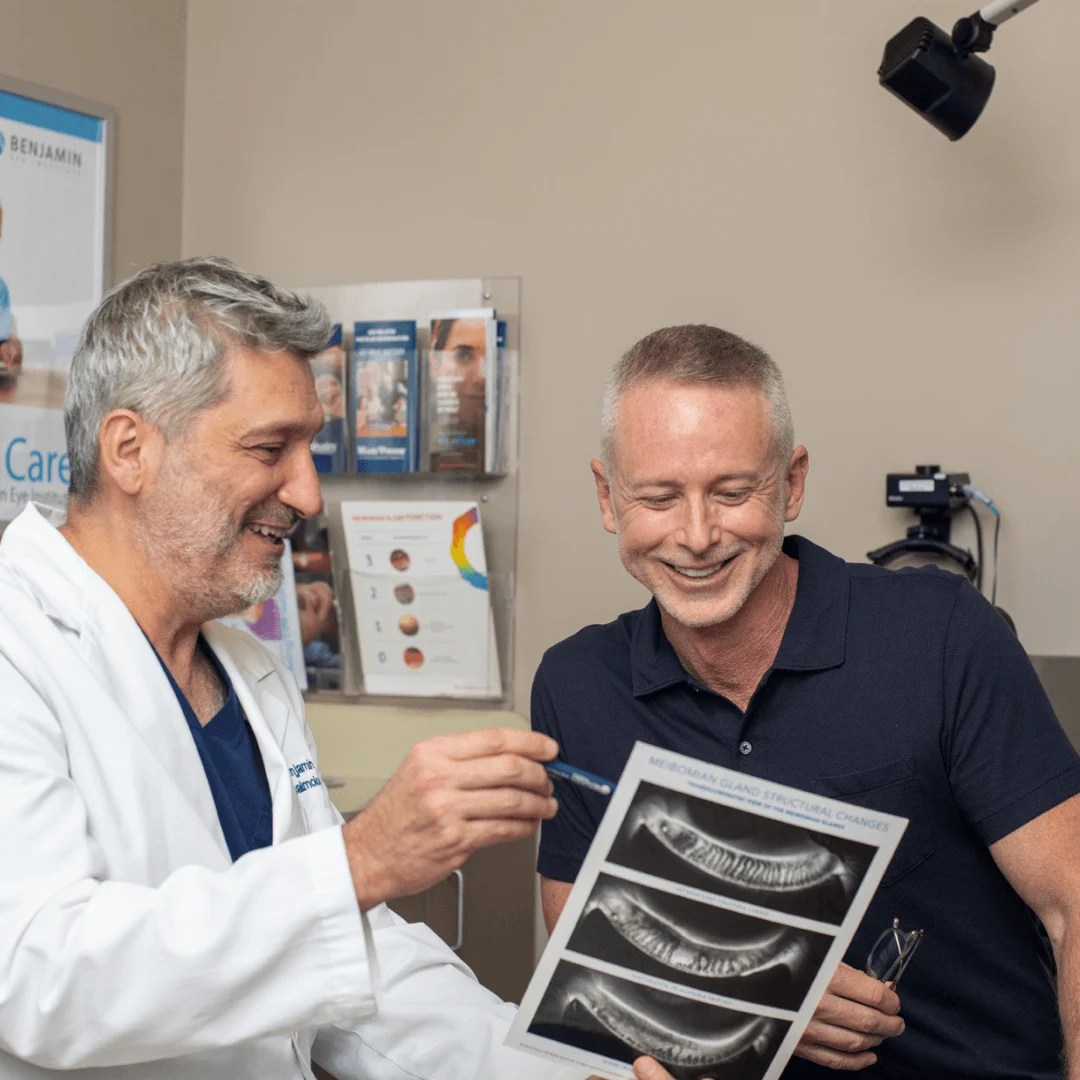
Tiny meibomian glands in the eyelids release oil into your tears. This oil slows evaporation. When the glands become blocked or their oil thickens, tears can evaporate too quickly—a problem called meibomian gland dysfunction, or MGD.
Artificial tears can ease mild dry eye symptoms. Other treatments may be needed depending on the cause. An eye examination can assess how much tear fluid you make, how quickly it dries up, and the condition of your eyelids.
How RF and IPL work together
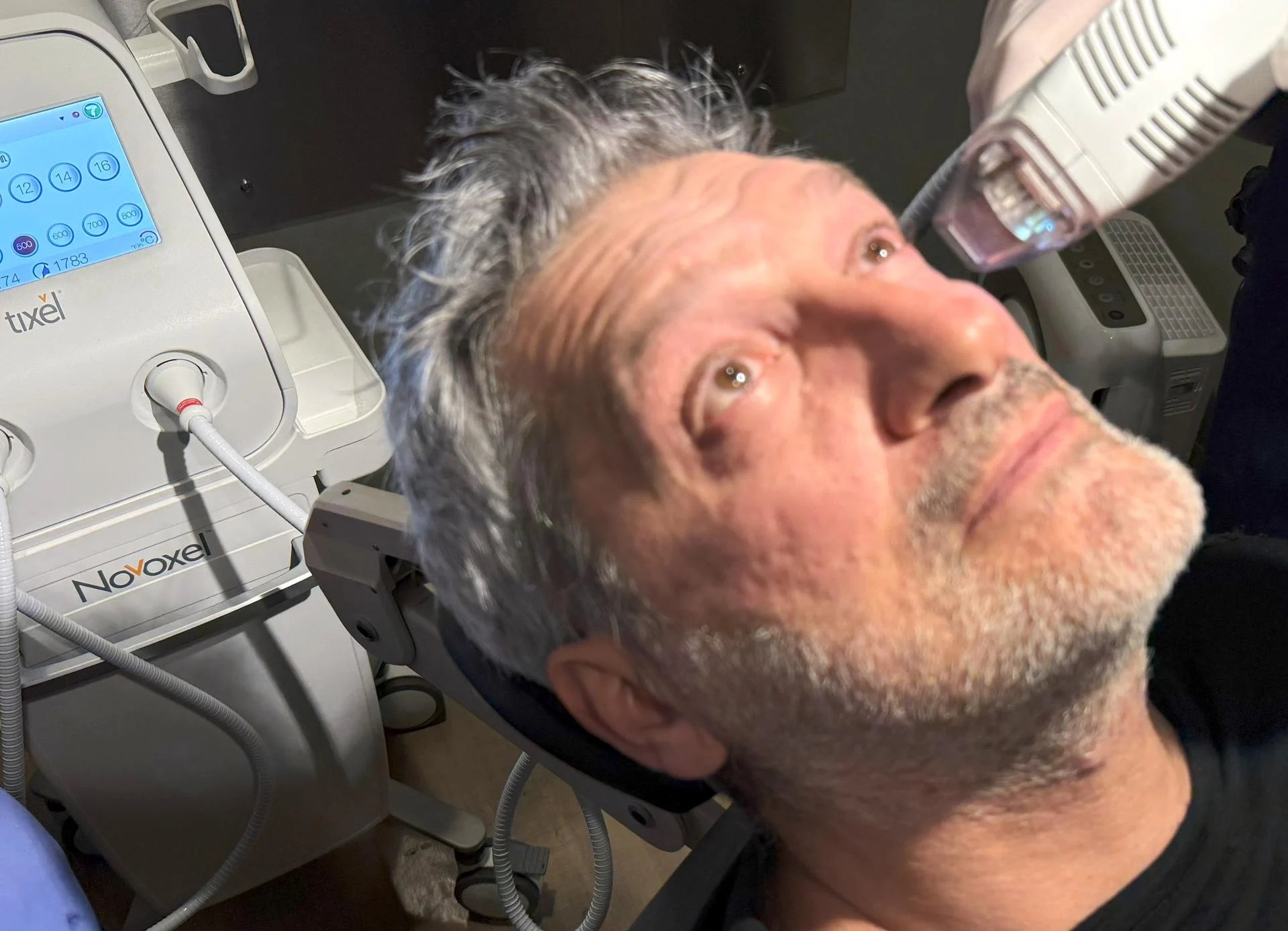
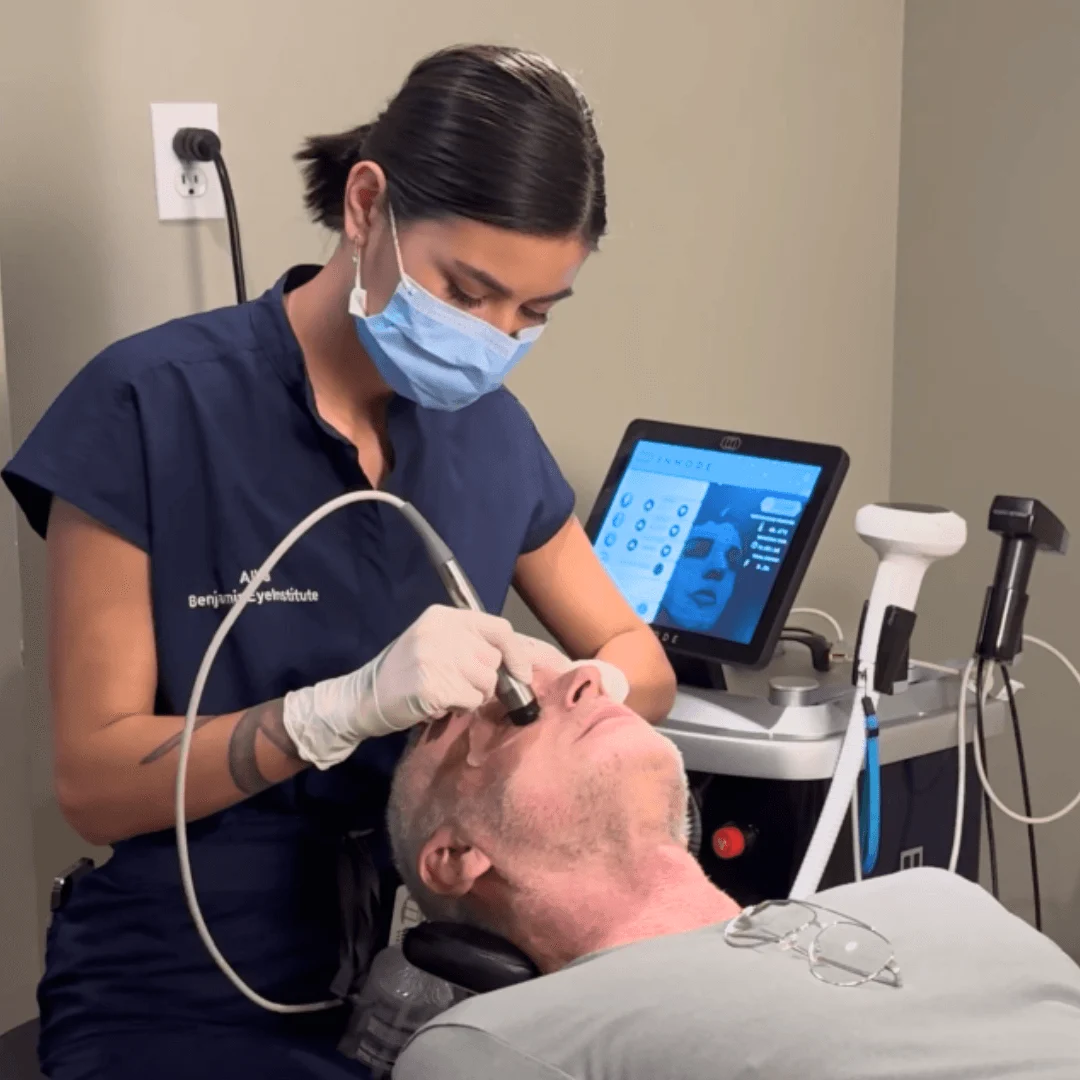
Radiofrequency (RF) delivers controlled warmth to help soften thickened oils within the eyelid glands. Intense pulsed light (IPL) uses light pulses to target abnormal blood vessels and inflammation around the eyes. Combining them may address both oil obstruction and inflammation.
The study featured by InMode evaluated Forma-I RF and Lumecca IPL technology, comparing patients who received either treatment alone with those who received both.
What research is behind this approach
Jennifer Tsai, OD, published the study in Clinical Ophthalmology in June 2026. It included 286 adults with MGD-related dry eye.
The researcher reviewed existing patient records. Patients completed four treatment sessions, with assessments before treatment and approximately one and three months afterward.
All groups improved. InMode’s summary describes the combination group as showing the most consistent improvements across several measures of symptoms and eye health.
How did the researcher measure relief
Patients completed the Ocular Surface Disease Index (OSDI): a 12-question survey about eye symptoms and their effect on daily activities during the previous week. Scores range from 0 to 100; lower means fewer difficulties. A score of 0–12 falls within the normal range.
Here are the average questionnaire scores — not percentages or vision-test results:
| Treatment | Before treatment | Final follow-up |
| RF alone | 22.27 | 8.29 |
| IPL alone | 18.09 | 6.20 |
| RF + IPL | 22.70 | 3.61 |
All three final averages were within the normal range. Combination therapy produced the greatest improvement, significantly exceeding either treatment alone. Group averages do not mean every patient had the same response.
Doctors also examined the eye surface. Combination treatment produced greater improvement in corneal staining, a test that highlights surface damage.
Why choose a combined RF and IPL treatment plan
For patients with dry eye caused by meibomian gland dysfunction, this study offers an encouraging reason to consider combined treatment: patients receiving both RF and IPL experienced greater improvement in dry eye symptoms than those receiving either treatment alone.
The combination also produced greater improvement in corneal staining—a clinical test that reveals damage to the eye’s surface. These findings show benefits in both how patients felt and what the doctor observed during examination.
RF and IPL address different contributors to dry eye. RF provides controlled warmth to help soften thickened oils in the eyelid glands, while IPL targets inflammation and abnormal blood vessels around the eyes. Using them together may address more of the factors contributing to discomfort.
This research strengthens the case for combining RF and IPL as part of a personalized treatment plan for MGD-related dry eye. At Benjamin Eye Institute, we can assess your gland health and discuss how a combined approach could help improve your eye comfort.
Discuss your options at Benjamin Eye Institute
If the dry eye keeps returning, tell us what you notice and when it bothers you most. Bring your questions about treatments you have tried and the relief you hope to achieve.
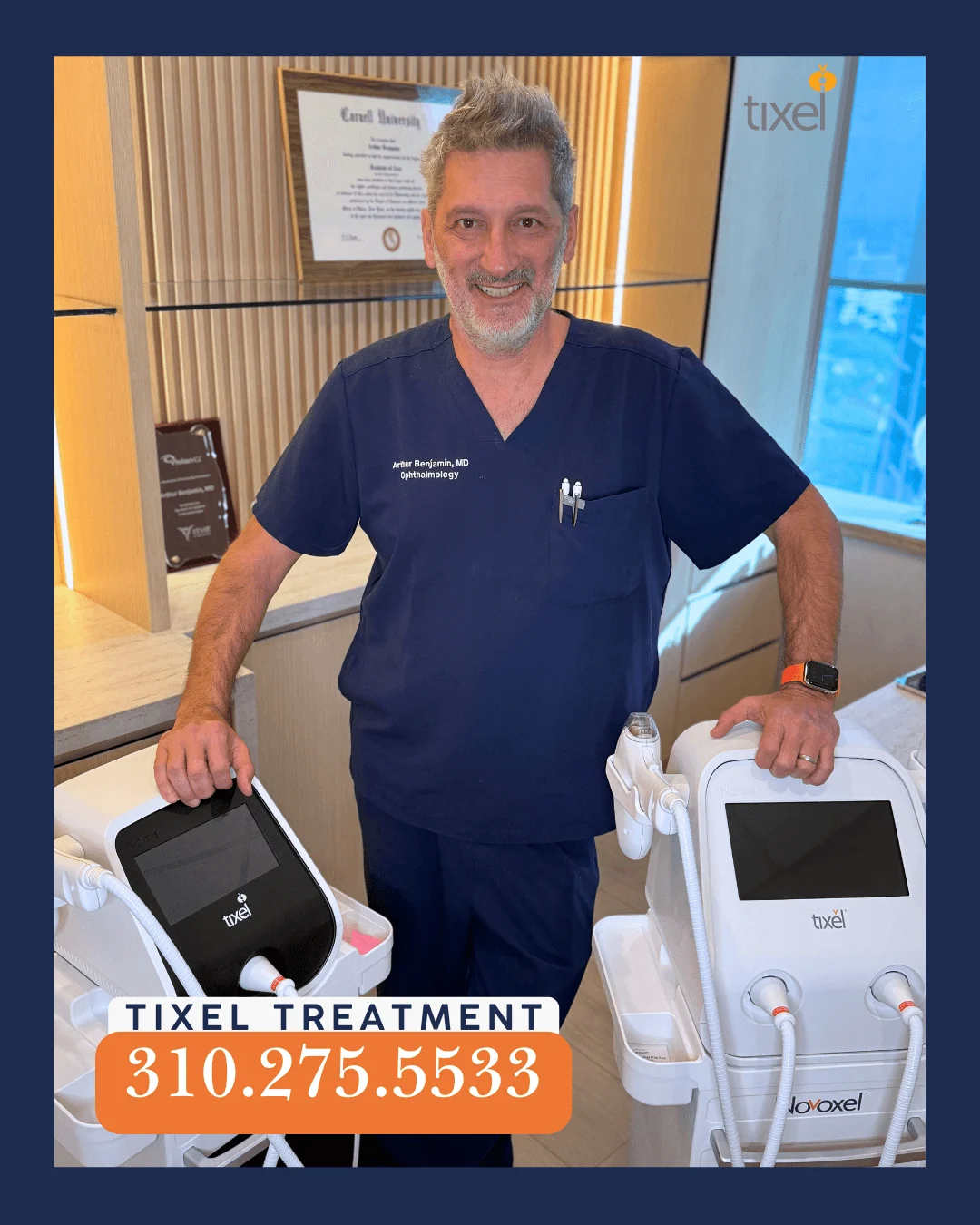
At Benjamin Eye Institute, Dr. Arthur Benjamin and our team can evaluate your eyes and discuss whether RF, IPL, or another approach belongs in your personalized treatment plan.
Call or text (310) 275-5533 to schedule a dry eye consultation.
9201 West Sunset Boulevard, Suite 709
West Hollywood, CA 90069
Sources
- InMode University study summary
- Tsai J • Clinical Ophthalmology • June 2026