Benjamin Eye — Home page
310.275.5533
call or text
BenjaminEye.com - home page
310.275.5533
call or text
Home / Ophthalmology Blog / DO YOU WANT TO SEE IN THE DARK?

DO YOU WANT TO SEE IN THE DARK?

Published: November 17, 2022

The technology of seeing at night, in infrared light developed in China. The results of the research are impressive even though the test subjects are mice, we don't lose hope for magic eyedrops that will solve issues with night vision.

DO YOU WANT TO SEE IN THE DARK?

DO YOU WANT TO SEE IN THE DARK?

The alien in the movie Predator could see at night, in infrared light.  Now, earthly creatures have learned how to do so.  They don’t need glasses or night-vision goggles, either; it requires nothing at all!

You just apply a layer of nanoparticles to the retina, and this allows receptors to respond to infrared radiation.

The technology developed in China and took a leap forward in some areas.  The effects last for several weeks and then die out.  No side effects are reported.

To be fair, the test subjects are mice, but there is no doubt they will soon shift to human volunteers.  This is easier to do in China.

The methodology seems rather simple; it’s a direct injection of nanoparticles into the retina.  It is possible, however, that eyedrops are next.

I personally have persistent problems with night vision while driving, so I can only dream of these magic eyedrops.

There’s no doubt that the military shares my dreams, too, as infrared equipment can be cumbersome and is useless during the day.

HOW MOSQUITOS CAN SEE

What is happening on your screen right now?  The text you see is the result of a conversion of electrical signals into color and saturation.

When text reaches our eyes, the reverse process begins.  Rods and cones enter the fray.  They translate the text back into electrical signals and send them to the brain, which then forms them into ideas.

We get a cycle of electricity.

The fact, is, though, that we only see a very limited part of the spectrum, somewhere between infrared and ultraviolet.

Some creatures see much more – mosquitos, for example, not to mention certain species of snakes and fish.  All of them function quite confidently in the dark, focusing in the infrared range, which is useful for hunting.  In the case of mosquitos, they are hunting for people.

Because we are warm-blooded, we appear to them in contrast to a cooler background, perhaps similar to the way Predator saw Arnold Schwarzenegger.

Hunters, soldiers, and rescuers have the same gift, but only with special equipment.

But let’s get back to the mice.  Nanoparticles envelop the rods and cones, and the invisible becomes visible in green light.  Normal vision is preserved.  In mice, the visual apparatus is similar.  So it is possible in the future that there will not only be drops for night vision, but for color blindness, as well.

In the future, nothing is impossible.

But even in the present, we can help you with many of your vision problems.

S.V.

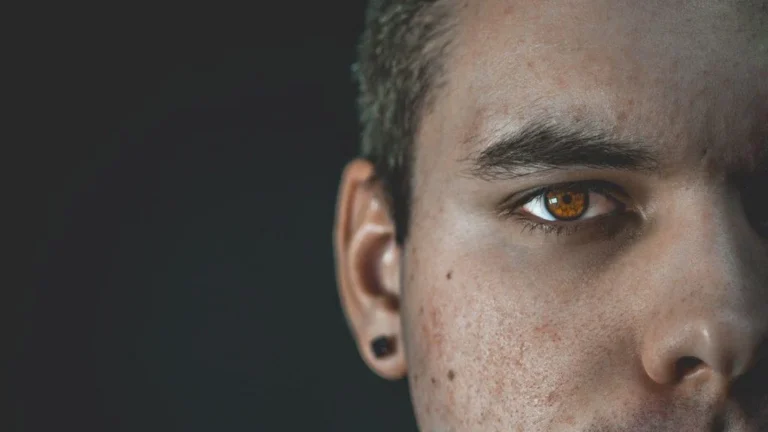
Photo by Hermes Rivera on Unsplash

Back

Related Articles

The Gene Therapy That Could Reverse Blindness

The Gene Therapy That Could Reverse Blindness

April 22, 2026

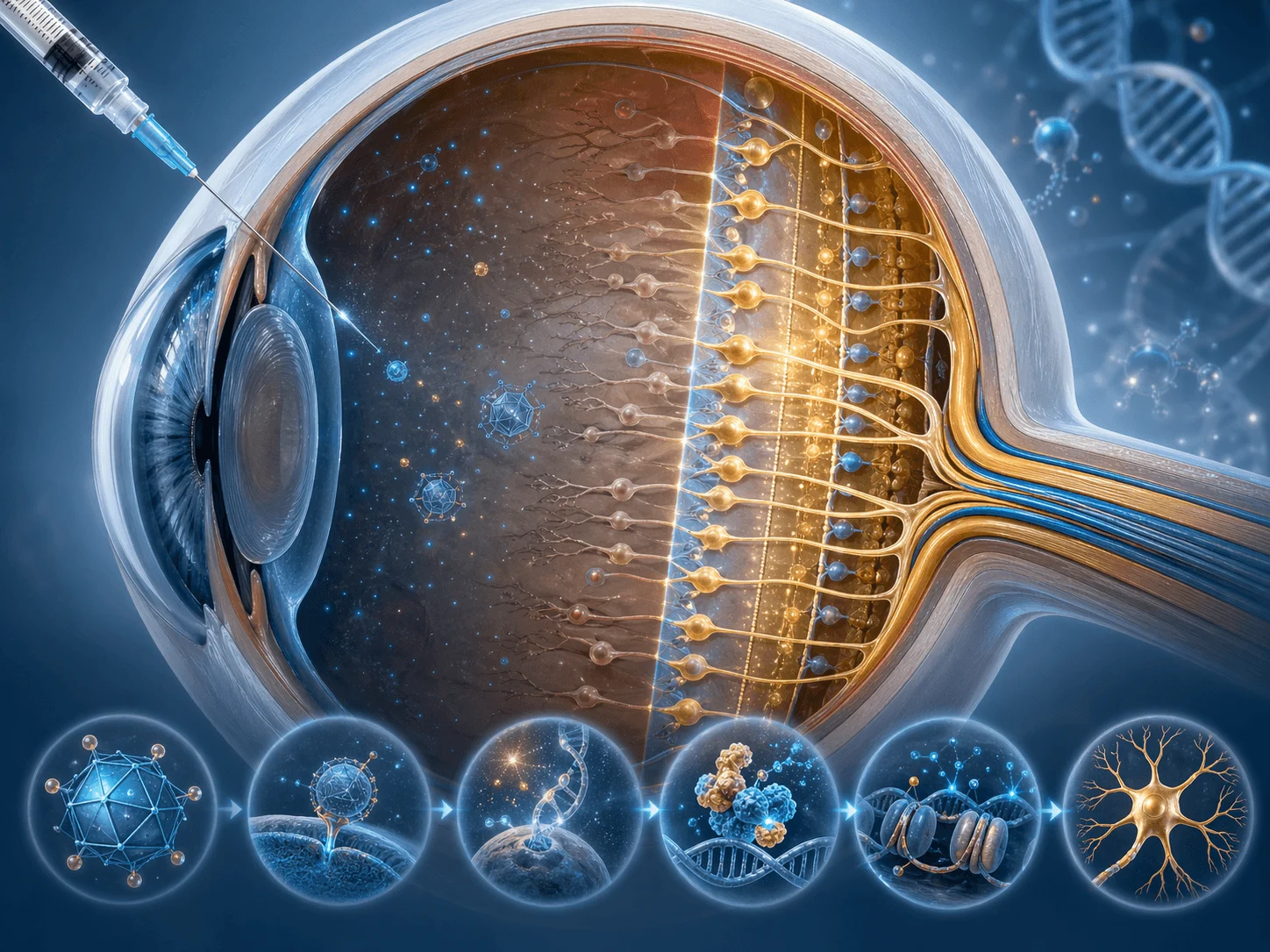
A landmark clinical trial is testing whether we can reprogram aging eye cells back to health — opening a door that medicine has never opened before. By Arthur Benjamin, MD. Founder & Medical Director, Benjamin Eye Institute

more
Premium Cataract Surgery: Non-Diffractive EDOF IOL's at Benjamin Eye Institute

Premium Cataract Surgery: Non-Diffractive EDOF IOL’s at Benjamin Eye Institute

May 14, 2024

We are proud to offer our patients the latest in premium cataract surgery with non-diffractive EDOF IOL’s. Our experienced surgeons will work with you to determine the best lens option for your needs and provide you with the best possible outcome.

more
The Comprehensive Eye Exam Experience at Benjamin Eye Institute

The Comprehensive Eye Exam Experience at Benjamin Eye Institute

May 7, 2024

At Benjamin Eye Institute, every new patient receives more than just an eye exam; they embark on a comprehensive journey towards optimal eye health led by Dr. Arthur Benjamin. With decades of experience and a commitment to personalized care, Dr. Benjamin ensures each patient not only understands their eye health but also the paths available for enhancement and treatment.

more
Be a Hero for Your Eyes This Solar Eclipse 2024

Be a Hero for Your Eyes This Solar Eclipse 2024

April 6, 2024

A solar eclipse is an eye-catching event, but it can also be a life-changing event if you fail to practice eye safety while enjoying this celestial phenomenon. Wearing sunglasses is not enough to protect your eyes from damage while looking at the sun directly – you need to instead acquire a pair of eclipse glasses from a reputable seller.

more
SOLAR ECLIPSE: DON'T LOOK AT IT

SOLAR ECLIPSE: DON’T LOOK AT IT

April 6, 2024

Such a rare and "burning" phenomenon is a solar eclipse. To see the light and not go blind you will need special equipment, but a warning – even this doesn't guarantee safety for your eyes. I would prefer to write in big letters "DON'T REPEAT IT AT HOME", but what to do with people who couldn't live without SOLAR ECLIPSE?

more
Patient Perspectives: Celebrating Vision Success at Benjamin Eye Institute

Patient Perspectives: Celebrating Vision Success at Benjamin Eye Institute

January 30, 2024

At Benjamin Eye Institute, patient satisfaction isn't just a goal; it's our story, told through the experiences of those we've served. These testimonials are not just feedback; they are narratives of trust, care, and unparalleled service, highlighting our commitment to vision excellence.

more
Diabetes and the Eye: How Regular Eye Exams Can Help Detect Diabetes Early

Diabetes and the Eye: How Regular Eye Exams Can Help Detect Diabetes Early

December 13, 2023

Diabetes is a chronic condition that affects millions of Americans; according to the Center for Disease Control about 1 in 10 Americans is diabetic. As a systemic condition, diabetes can affect multiple parts of your body, including your eyes. Here are several potential eye complications that you can develop from diabetes both Type 1 and Type 2 diabetes.

more
Co-Management: The Synergy Between Ophthalmologists and Optometrists

Co-Management: The Synergy Between Ophthalmologists and Optometrists

November 7, 2023

The intricate world of eye care often involves a collaborative approach, especially when it comes to the partnership between ophthalmologists and optometrists. Dr. Arthur Benjamin, a board-certified ophthalmologist with a specialization in complex and premium cataract extractions, cataract surgery, and laser vision correction, sheds light on the concept of co-management in eye care.

more

SEE WHAT OURPATIENTS HAVE TO SAY

SCHEDULE YOURCONSULTATION TODAY!